
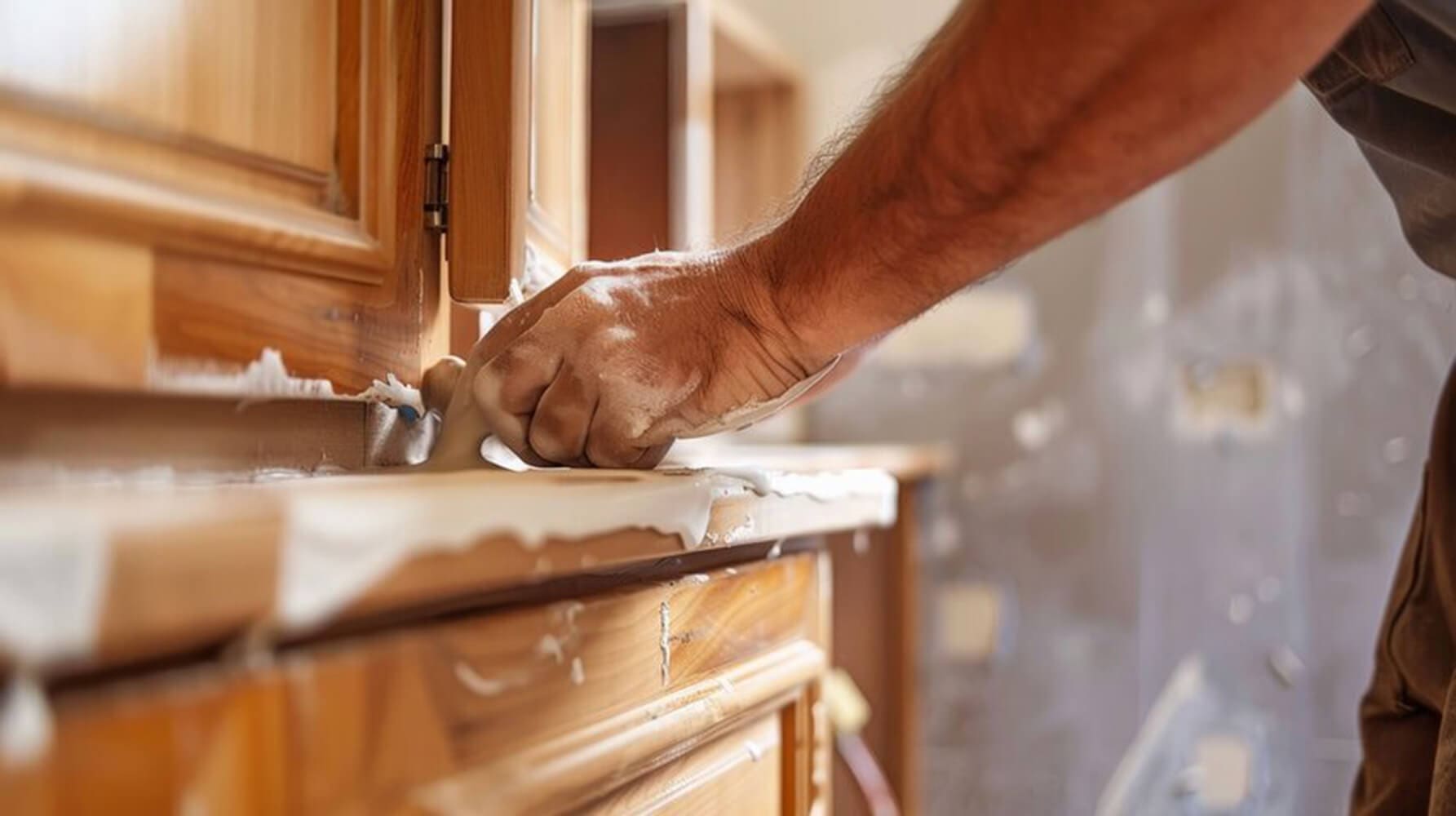
What to Expect During a Professional Cabinet Refinishing Process
Cabinets set the tone for the entire kitchen. When they look worn, dated, or dull, the whole room feels that way, even if everything else is in great shape. Refinishing is one of the most effective ways to change that without going through a full kitchen renovation.
But before a homeowner commits to a project, it helps to understand what the process actually looks like. What happens on day one? How long does it take? What parts of the kitchen will be affected?
This article walks through the professional cabinet refinishing process step by step, so homeowners know exactly what to expect from the first consultation to the final walkthrough.
Understanding What Cabinet Refinishing Involves
Cabinet refinishing is the process of restoring or changing the appearance of existing cabinets by applying a new finish to the surface. The cabinet boxes, doors, and frames stay in place. What changes is how they look.
It is worth understanding how refinishing differs from the alternatives. Repainting typically refers to applying a new coat of paint over surfaces that are already painted, sometimes with minimal prep. Refinishing is more thorough. It involves stripping or sanding the existing surface, preparing it properly, and applying a new finish using professional materials and techniques. Full cabinet replacement, on the other hand, means removing everything and installing new cabinetry from scratch.
Refinishing sits in the middle. It delivers a noticeably improved result without the cost or disruption of a full replacement. The outcome depends almost entirely on how well the process is executed, which is why surface preparation and professional technique matter as much as the finish itself.
For homeowners weighing their options, understanding the cabinet refinishing process helps set realistic expectations and makes it easier to plan around the project.
How Professional Cabinet Refinishing Transforms a Kitchen
The visual impact of refinished cabinets is hard to overstate. A kitchen that felt dark, tired, or stuck in another decade can look completely different with a fresh finish. New color choices, updated sheens, and smooth, even surfaces change how the whole room reads.
Beyond appearance, refinishing has practical advantages that homeowners often appreciate once the project is done:
- The existing cabinet structure stays intact, which preserves storage layout and functionality
- Professionally applied finishes are durable and designed to hold up to daily kitchen use
- The process is significantly less disruptive than a full replacement, which involves demolition and extended timelines
Refinishing also works with the bones of what is already there. If the cabinets are solid and well-built, a professional finish can make them look better than they did when they were new. The transformation is not just cosmetic. A kitchen that looks refreshed feels more functional and more enjoyable to spend time in.
That kind of result does not happen by accident. It comes from a structured process carried out by professionals who know how to prepare surfaces correctly and apply finishes that last.
What Homeowners Should Know Before Starting a Cabinet Refinishing Project
Cabinet refinishing is a multi-stage process. It is not a one-day job, and homeowners who go in knowing that will have a much smoother experience than those who expect it to wrap up quickly.
A few things worth knowing before the project begins:
- Drying and curing time is built into the process, which means certain stages require waiting before the next step can start
- Parts of the kitchen may be partially inaccessible while doors are off and surfaces are drying
- Finish options, including color, sheen level, and material, are decisions best made before work begins, not during it
None of this is a reason to hesitate. It is simply useful context for planning. Homeowners who discuss timelines and expectations with their painter upfront tend to have fewer surprises and a more comfortable experience throughout the project.
Understanding what to expect during cabinet refinishing also makes it easier to coordinate around the project, whether that means adjusting meal prep routines for a few days or making sure the kitchen is cleared and ready when the crew arrives.
The more prepared a homeowner is going in, the smoother the whole process goes.
The Professional Cabinet Refinishing Process
Every professional cabinet refinishing project follows a structured sequence. Each stage builds on the one before it, and skipping or rushing any step affects the quality of the final result.
The following is a clear overview of the professional cabinet refinishing steps used during a typical project, from the initial consultation through the final inspection.
Initial Consultation and Project Planning
The process starts before anyone picks up a brush. During the initial consultation, a professional painter evaluates the current condition of the cabinets and talks through the homeowner’s goals for the project.
This stage typically covers:
- The type of material the cabinets are made from, since different surfaces require different preparation approaches
- The condition of the existing finish and whether any repairs are needed before refinishing can begin
- Color and finish selections, including sheen level and any special coatings
Any repairs, such as filling damaged areas or addressing surface imperfections, are identified here so they can be factored into the project plan. Getting these decisions made upfront keeps the project moving efficiently once work begins.
Removing Doors, Hardware, and Preparing the Workspace
Before any surface work begins, the cabinet doors, drawer fronts, and all hardware are removed. This gives the painter full access to every surface that needs to be refinished and makes it possible to work on doors and frames separately, which produces a cleaner, more consistent result.
Labeling is a standard part of this step. Each door and drawer front is marked so it goes back in the exact right position during reassembly. It sounds simple, but it prevents a lot of confusion later in the process.
The surrounding area is also protected before work begins. Countertops, floors, appliances, and any surfaces that are not being refinished are covered to keep them clean throughout the project. A well-prepared workspace is one of the clearest signs of a professional operation.
Thorough Cleaning and Surface Preparation
Surface preparation is where professional refinishing separates itself from a basic repaint. No finish, regardless of quality, will hold up long term on a surface that has not been properly cleaned and prepared. This step is the foundation everything else is built on.
Cabinet surfaces in a kitchen collect grease, cooking oils, and residue over time. Even cabinets that look clean to the eye often have a layer of buildup that will prevent paint from bonding correctly. That buildup is removed before anything else happens.
Once the surfaces are clean, preparation continues with sanding or deglossing to remove the existing finish and give the new coating something to grip. Any minor imperfections, including small dings, scratches, or surface damage identified during the consultation, are repaired at this stage. The goal is a smooth, uniform surface that is ready to accept primer and paint.
Rushing this step is the most common reason refinishing jobs fail prematurely. A professional who takes surface preparation seriously is one worth trusting with the rest of the project.
Priming and Applying the New Cabinet Finish
With surfaces fully prepared, the project moves into the finishing stages. Primer goes on first.
Primer is not optional. It creates a stable base that seals the surface and gives the topcoat something to bond to. Skipping it or applying it carelessly leads to adhesion problems down the line, even if the finish looks fine at first. A professional applies primer evenly across all prepared surfaces and allows it to dry fully before moving forward.
Once the primer is set, the new finish is applied using professional tools and techniques. Spraying is a common method for cabinet refinishing because it produces a smooth, even coat without brush marks or roller texture. Depending on the product being used and the look the homeowner is after, multiple coats are applied to build coverage and durability.
Each coat is allowed to dry before the next one goes on. That drying time is not filler, it is part of what makes the finish hold up over time. The result of this stage, when done correctly, is a surface that looks clean and professional and is built to last through regular kitchen use.
Drying, Curing, and Reassembly
Once the final coat is applied, the finish needs time before the cabinets are ready to be reassembled. Drying and curing are two different things, and understanding the difference helps homeowners know what to expect during this stage.
Drying refers to how long it takes for the surface to feel dry to the touch. Curing is the process of the finish hardening fully at a molecular level. A cabinet surface can feel dry within hours but may take days or even weeks to cure fully.
Professionals account for this in the project timeline. Doors and hardware are not reinstalled until the finish has hardened enough to handle contact without damage. Rushing reassembly risks scratching or marring a finish that is not yet ready.
When the finish has cured sufficiently, the labeled doors and drawer fronts are reinstalled in their correct positions, hardware goes back on, and the kitchen begins to take its finished shape. For most homeowners, this is the moment the transformation becomes real.
Final Inspection and Project Completion
The last stage of the process is a final inspection. Before the project is considered complete, the painter reviews every surface to check that the finish is consistent, coverage is even, and nothing was missed during the work.
If any areas need attention, touch-ups are completed at this stage. Small imperfections that are easier to catch in person than during the work itself get addressed here before the homeowner sees the finished result.
Once the painter is satisfied with the quality, the homeowner is walked through the completed project. This is the homeowner’s chance to review the cabinets up close and confirm the finished result matches what was planned. Most professional painters welcome this walkthrough because it is the clearest way to demonstrate the quality of the work.
A thorough final inspection is the mark of a professional who stands behind the result. It closes the project cleanly and gives the homeowner confidence in what they are getting.
Understanding the Cabinet Refinishing Process From Start to Finish
A professional cabinet refinishing project follows a clear sequence, and every stage plays a role in the final result. From the initial consultation and surface preparation through priming, finishing, and final inspection, each step is there for a reason. Skipping or shortcutting any part of the process affects the quality and longevity of the finish.
Homeowners who understand the cabinet refinishing process from start to finish are better prepared to plan around the project, ask the right questions, and recognize the value of work that is done correctly. The difference between a finish that holds up for years and one that fails early almost always comes down to how carefully the process was followed.
Working with experienced professionals matters. A structured refinishing process is not just about applying paint. It is about preparing surfaces properly, using the right materials, and allowing each stage the time it needs to perform as intended.
If you are ready to explore professional cabinet refinishing for your kitchen, contact us today to discuss your project and learn more about what the process looks like for your specific cabinets.